For 12 Canadian artists, the Greek island of Kefalonia became more than a scenic setting for an art residency — it became a living participant in their creative process. Through their time at the Ionian Center for the Arts and Culture, organized by Natasha Faye Jensen and Patrick Moskwa, the artists explored the relationship between art, ecology, and place, culminating in Earthlings, an exhibition of their final works at The New Gallery.
Located near Ithaca, the legendary home of Odysseus, the island is a complex ecosystem where mythology is deeply intertwined with the ancient landscape. On the ground, the participants were surrounded by iconic olive groves, towering cypress trees, and wild Mediterranean scrub set against limestone cliffs and the turquoise Ionian Sea. Over two weeks, they engaged in open-ended research, treating the land and sea as collaborators, which encouraged them to redirect their creative process and reimagine their initial trajectories.
Jensen says bringing a group of mostly Alberta-based artists to an ancient Mediterranean setting was intentional. “There is something transformative about encountering a landscape that is not your own,” she explains. “Distance can sharpen perception, allowing artists to notice relationships, patterns, space, and plants that often become invisible in the places they inhabit every day.”
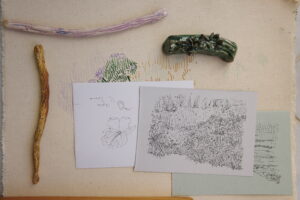
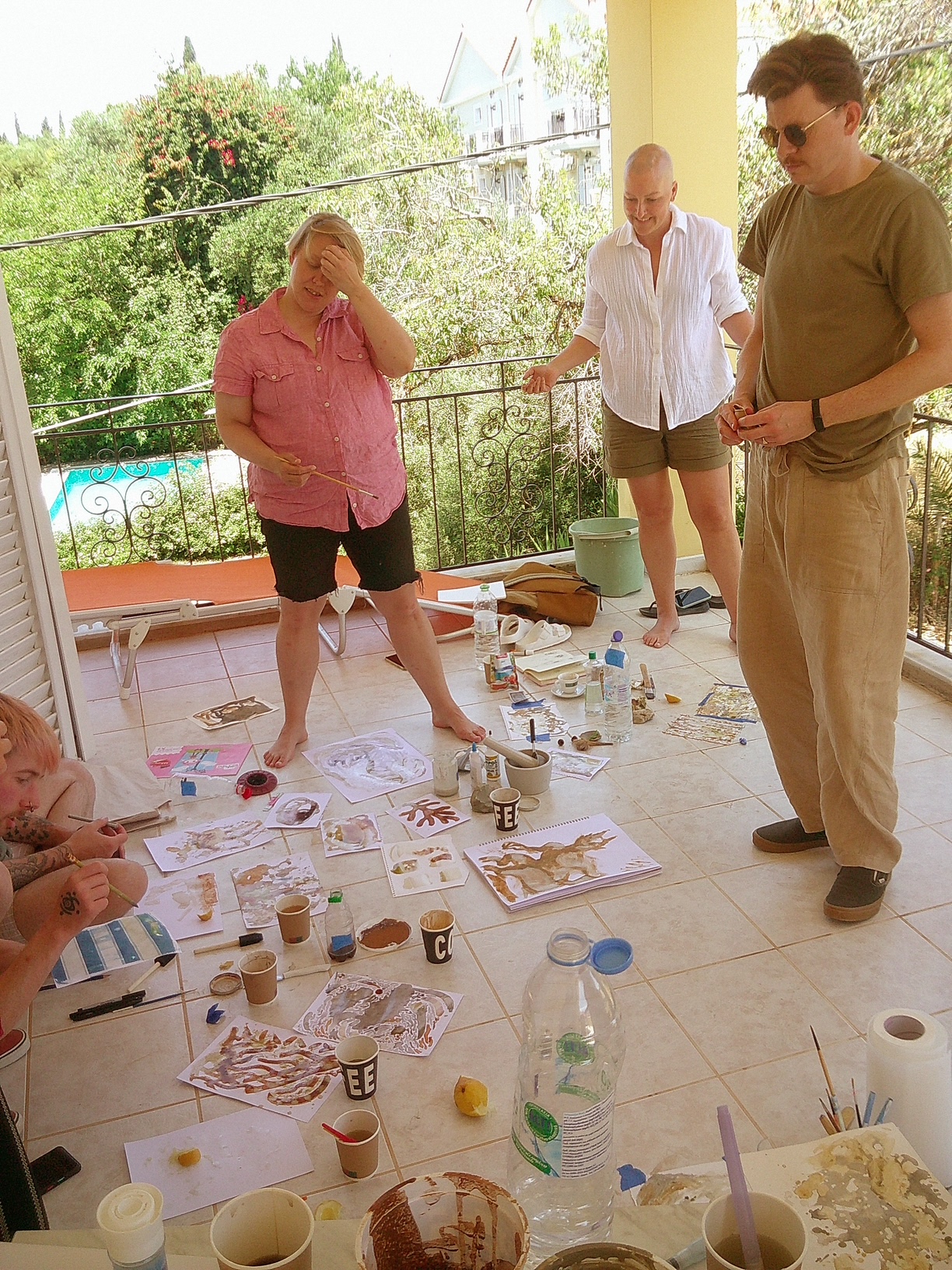
The artists immersed themselves in these unfamiliar surroundings by working closely with local experts, including the curation team at Cephalonia Botanica and the beekeepers at Kefalonian Honey Michalatos. They learned toformulate earth pigments from local soils and clay, process inks from seaweed, and develop cyanotypes from plants gathered from the botanical garden.
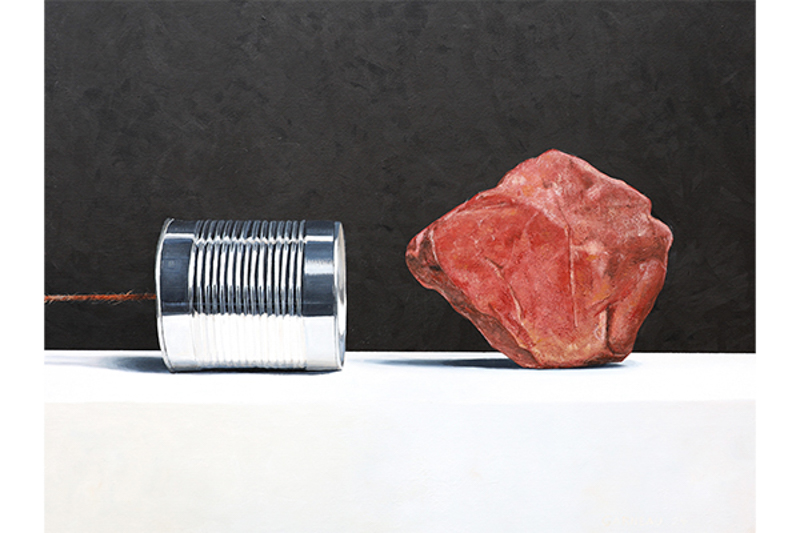
By exploring where materials originated, how they evolved, and the histories they carried, the group developed a deeper connection to the island. They then used local materials, including pigments, dyes, and clay, to create a physical connection between the artworks, landscape, and themselves. For example, in a striking act of respect, Josefina Rodriguez placed her figurative sculpture made from foraged clay into the sea, allowing it to dissolve back into the natural elements. Moskwa drew inspiration from the rocks he explored near the water, capturing their textures through rubbings and transferring them onto copper sheets. To age the metal, he washed the copper in the sea and allowed it to develop a natural patina under the intense heat.
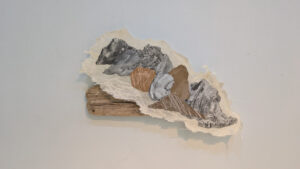
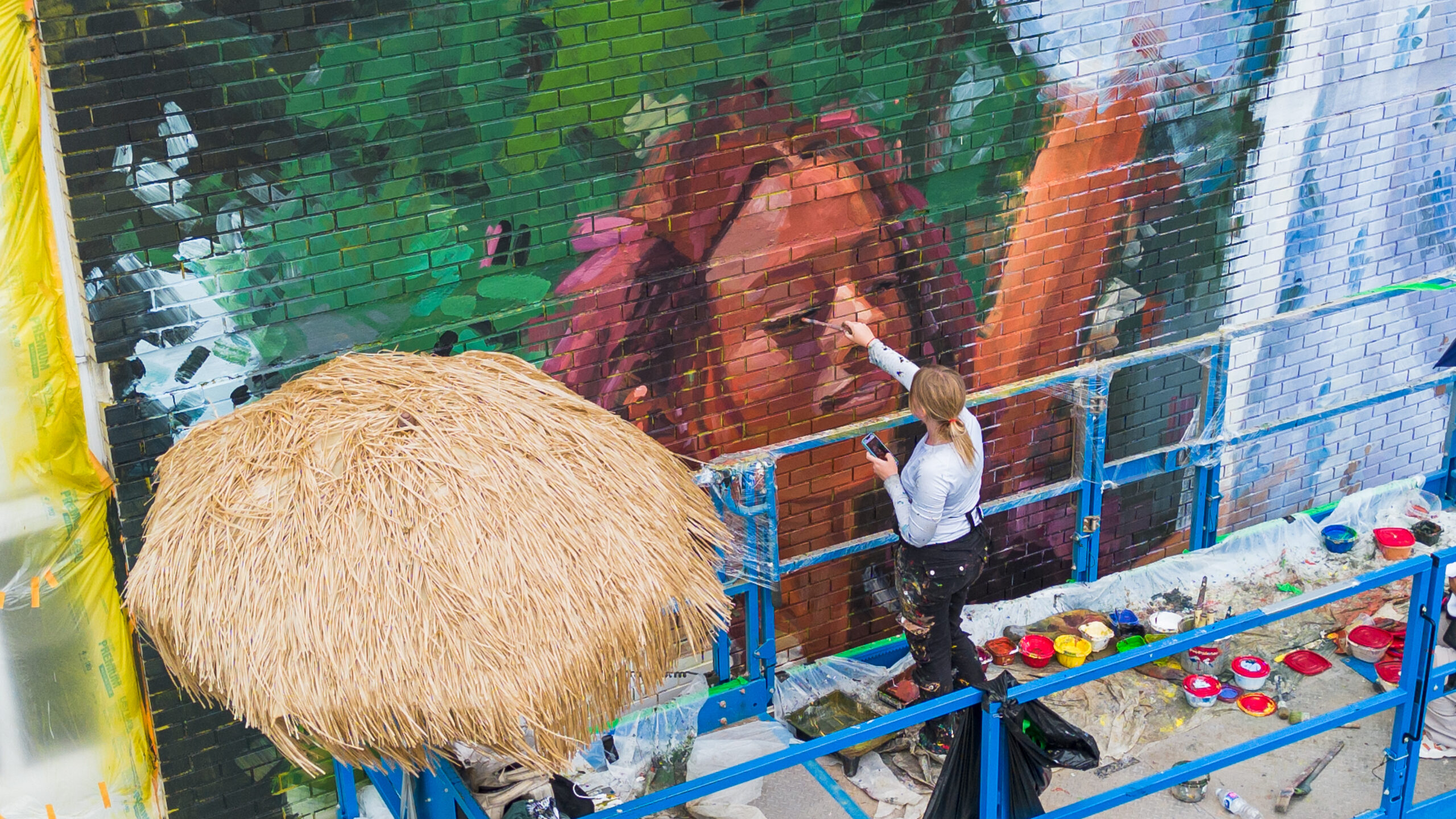
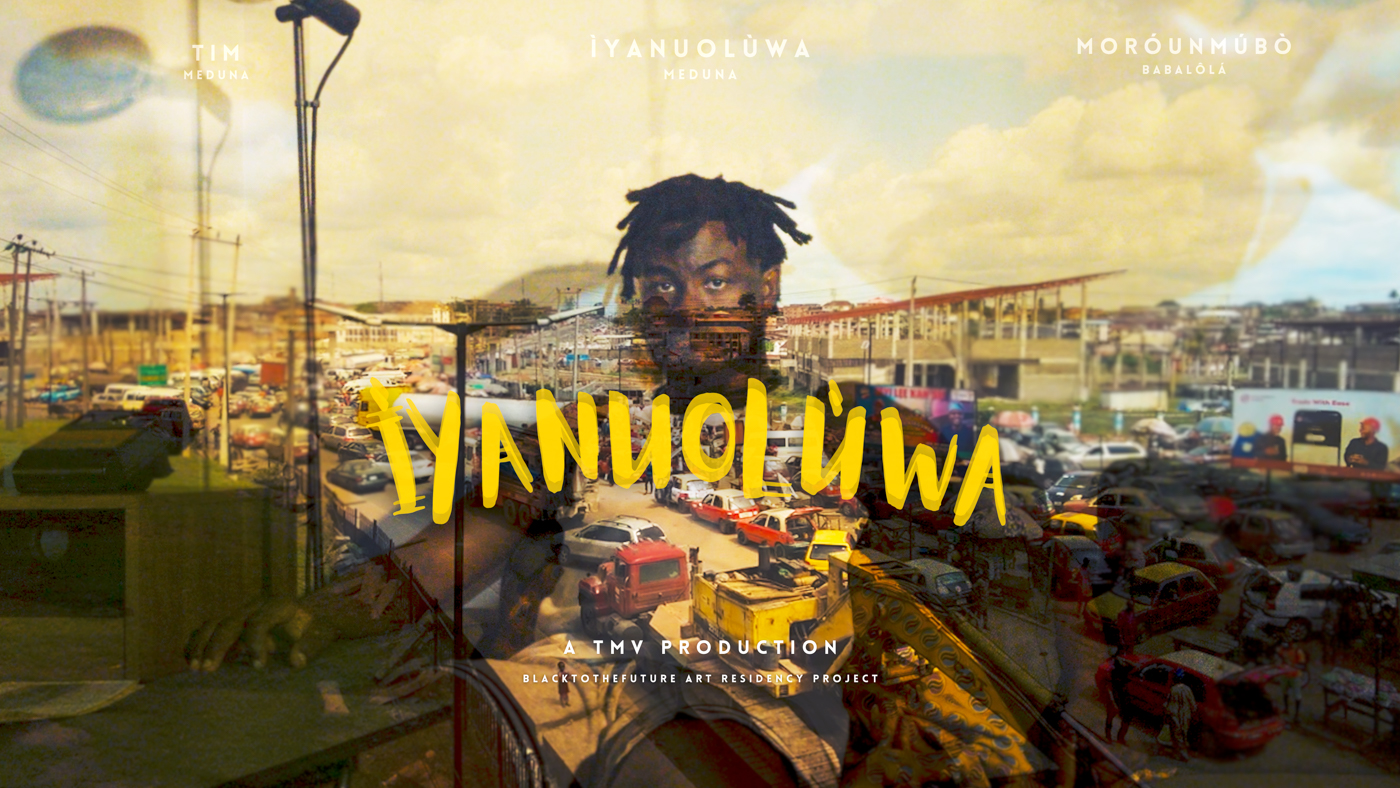
Each artist approached Kefalonia in their own way, carving individual creative pathways across diverse disciplines, materials, and processes. Avery Fisher chose rocks that fit in her hand, bending metal into botanical forms using ancient smithing techniques. Karine Locatelli gathered native sea fennel and caper flowers on Zeus Island, which she integrated into her painting process. Filmmaker Nick Johnson focused on Old Vlachata, a village abandoned after the devastating 1953 earthquake, using experimental film to trace its history through crumbling stone ruins.
They also converged with the other cohorts, including Jillian Fleck, Kelly Isaak, Rocio Graham, Sarah Slaughter, Sean Jena Taal, and Tammy McDonald. Together, their collective output moves far beyond traditional landscape representation with projects that unearth the island’s overlapping layers of geological history, mythology, and ecology, revealing how a specific landscape can reshape an artist’s entire way of seeing and working.
Perhaps the most enduring artifact from the residency is the tight-knit peer community born from this shared isolation. As the curators beautifully emphasize, the mutual generosity, studio exchanges, and even the collective WhatsApp group chats are just as integral to the living archive as the physical works hang- ing on the gallery walls.
Ultimately, Earthlings presents a profoundly transformative reflection on how we can inhabit, understand, and tenderly care for the fragile worlds around us. The exhibition encourages viewers to consider how their own lives are intertwined with nature, from the glacial, fast-flowing Bow River to the sprawling, prairie landscapes we call home.
Earthlings is on view at The New Gallery from August 12 to 15, 2026. A reception will be held on Friday, August 14, from 7 p.m. to 9 p.m.