You love music, you play an instrument, you maybe have a few songs written, and now you want to perform live. Where do you start? As someone who’s been in bands for more than 15 years, I know how hard it is when you might not even know what questions to ask and no one has heard of you. This guide breaks down the process, from finding your first bandmates all the way to your first time stepping on stage.
How Do I Start a Band?
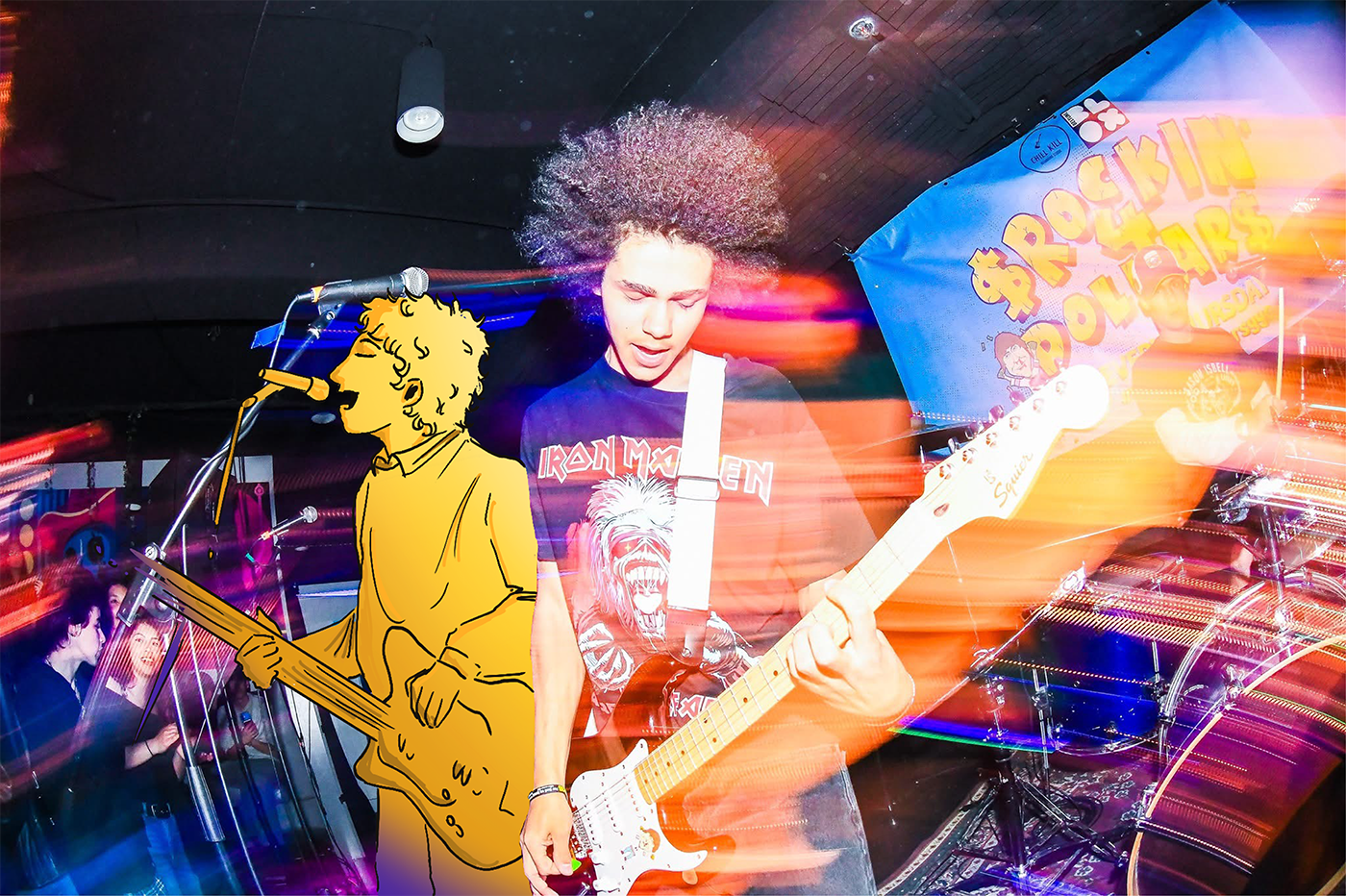
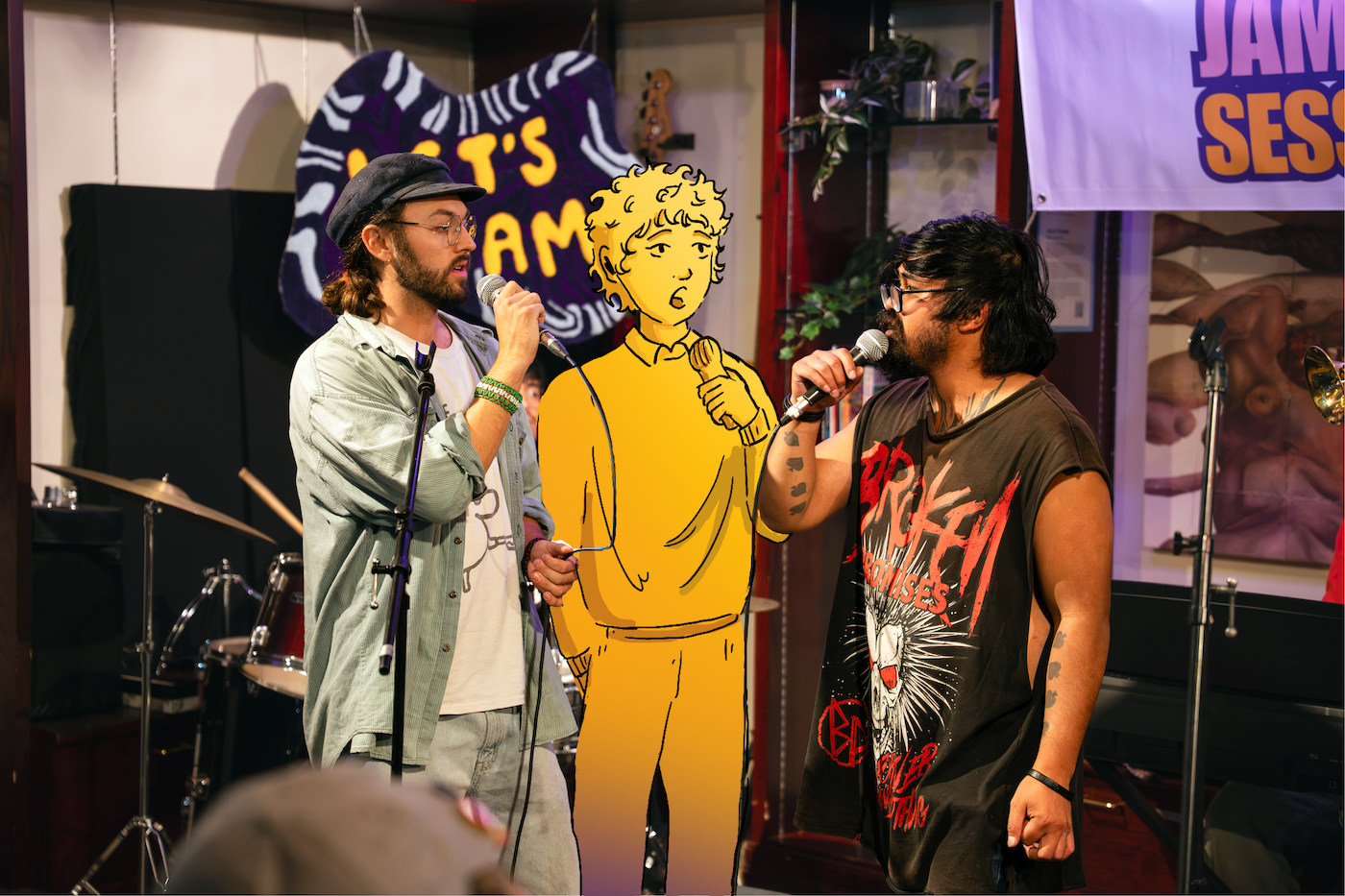
Start with your friends, classmates, or coworkers. Talk to folks about music, see if they play any instruments. Going to local open jam/band nights (Alcove and Rockin for Dollars at BLOX feature weekly events) is a good way to meet musicians, and you can also check out independent local shows to meet folks in the music community. Between sets is a perfect time to find people who may have band experience or would love to be in one. Once you have your bandmates, start meeting and putting your songs together.

Where Do We Practice?
If someone has access to a home studio/rehearsal space, you’re set! If you have space in your basement/garage, a knowledge of noise bylaws and a good relationship with your neighbours, it could be you. Renting a space is also an option, with places like Slaughterhouse Studios and Skunkworks Studio offering affordable studio rentals in various sizes.
Rehearse, Rehearse, Rehearse
Whether you have a band or perform on your own, you have to rehearse. Rehearse your songs so you don’t have to think about what to play on stage and keep practising your instrument to stay honed. You’re ready to play your music the way you want it to sound.
Make a Demo Recording
It doesn’t need to be fancy, and there’s a decent quality microphone in every phone nowadays. Find a central-ish spot in your rehearsal space, press record in your voice memo, get a good take of each of your songs, and upload them into a neatly organized folder (Dropbox, Drive). Pick two to three of the best songs to send out; most people won’t have time for the whole thing.
Getting the Gig
Look up local venues online. Check the recent shows; what bands play there? Find a venue with events that your music would fit with. Go to their website or visit the venue directly to get a promoter’s contact information. When you’re asking for a show, be professional and polite. Keep it short and sweet: include specific dates you have in mind, your demo, a brief description of your band and anything the promoter should know about your show. You may have to send a few of these emails. Don’t be afraid to be persistent (but always polite).
Promoting Your Show
Now it’s time to promote the gig. Give at least four to six weeks’ notice before a show, and tell people about it in as many ways as you can: use social media, make posters, go to other local shows and invite people directly. Buy or make your own merch to sell at the show (CD’s, cassettes, shirts, stickers). Promoting your show is another opportunity to be creative and make it look as exciting as it will be.
Arriving at the Gig
The promoter will send an advance with details for the show, including when you’ll perform and when to arrive for soundcheck (a pre-show procedure for setting the levels for you/your band). Arrive when you are asked, or clearly communicate if you need to come at a different time. Be punctual, flexible, polite and respect the time of everyone else working the show.
Getting Ready For Stage
Complete any pre-show rituals, have your equipment prepped and nearby (not in the way of the outgoing performers) and allow the stage to clear before you start setting up. Be prepared to set up quickly as changeovers between artists can be short. Once you’re all set, the sound tech turns down the house music and hands over the stage to you.
Playing the Show
“The show must go on” is a truth in live shows. Rehearse all you might, accidents still happen. Unless the mistake was absolutely, devastatingly fatal, do not stop the song. Learning how to embrace, overcome or simply hide mistakes during a live performance is a skill you’ll inevitably need.
After the Set
Clear your equipment off the stage quickly. Safely store your gear and then go enjoy the attention of your adoring fans. Stay until the end of the show and connect with the music community genuinely; they may become your future collaborators and supporters (or even help pay your rent someday). Collect payment for your show and head to whatever post-show meal or after-party calls. Or, straight to bed.