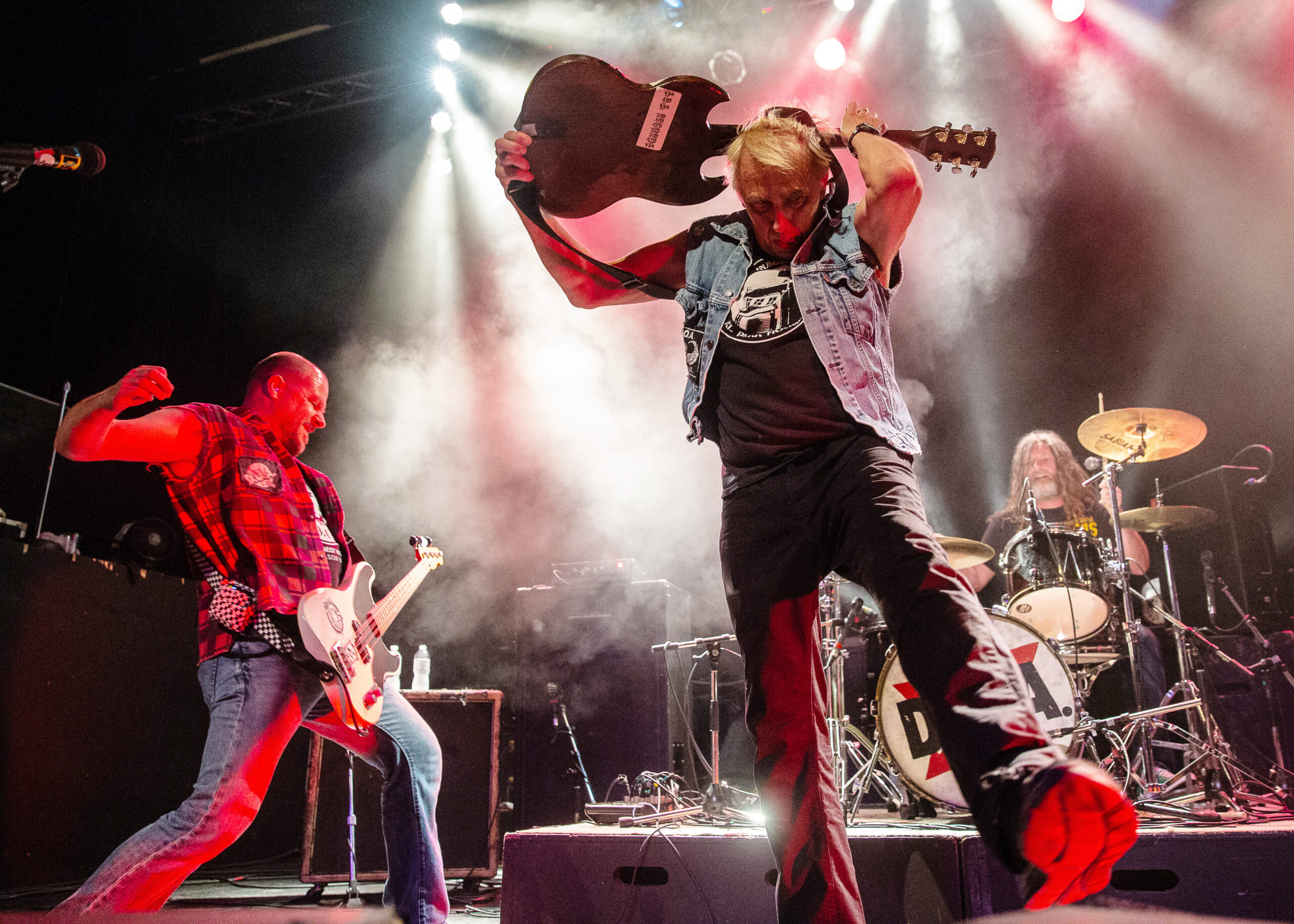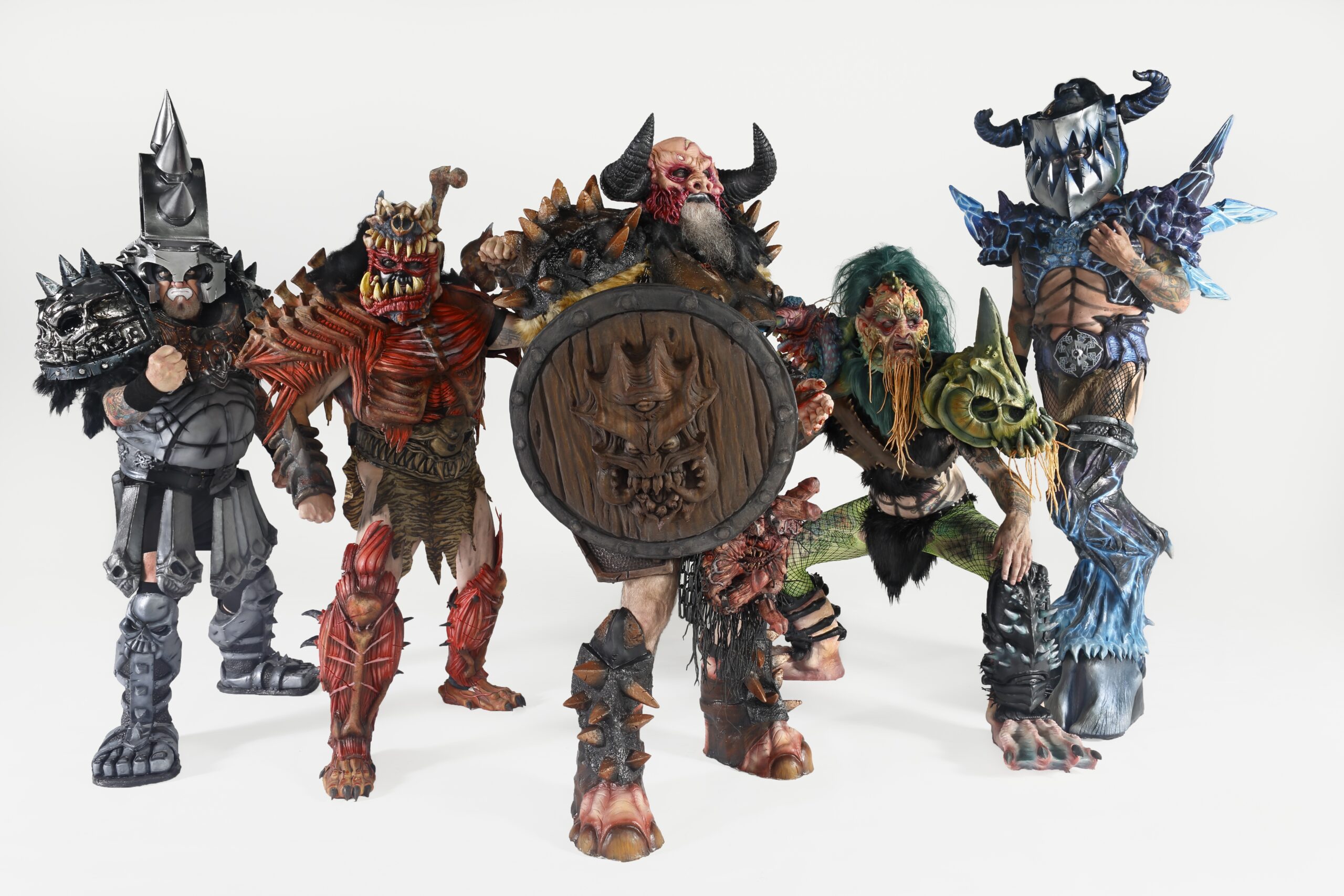
It has always been hard to explain Sled Island to anyone who has not spent a June night bouncing between Calgary venues, chasing a band they know and stumbling into three they do not. The festival has always been built around discovery, but nearly two decades in, what people discover at Sled has changed.
Since launching in 2007, the Calgary music and arts festival has grown from a more indie-rock-rooted event into a broader, harder-to-pin-down festival that spans experimental music, hip hop, electronic, metal, punk and ambient sounds. But even as its programming has expanded, Sled Island has stayed tied to the things that made it distinct in the first place: local artists, small venues, affordability, and community.
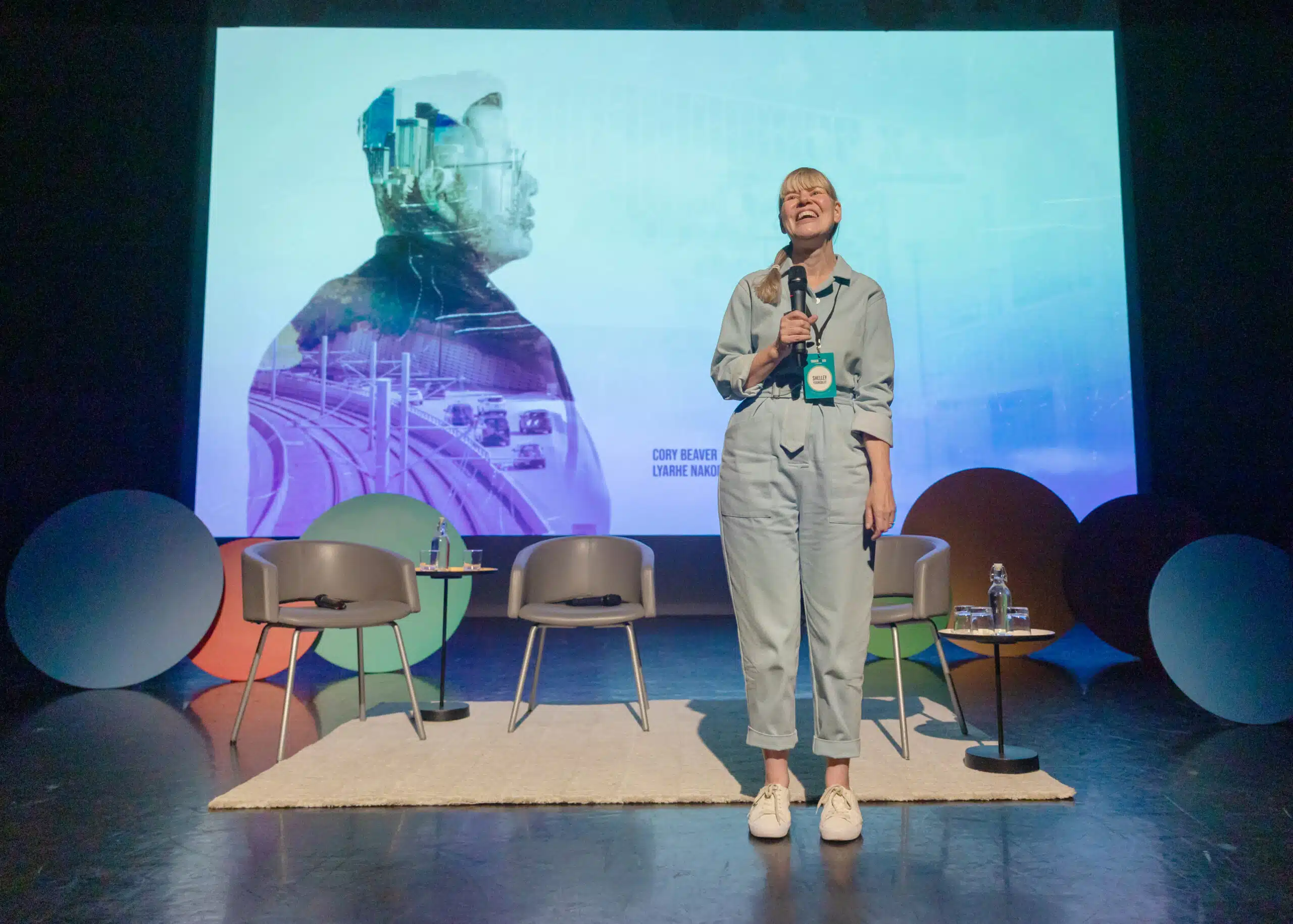
For Maud Salvi, Sled Island’s executive and artistic director, one of the festival’s original purposes is still central today.
“Sled was created to give local artists opportunities,” says Salvi.
Now the festival has expanded to bring national and international acts, many of whom have never played in Calgary before.
“A vast majority of the artists that we bring have never played in Calgary before,” Salvi says.
The festival has always booked artists from outside Canada, but this year’s lineup includes a record number of non-Canadian artists who applied through the festival’s submission process.
Kurtis Gregor, Sled Island’s marketing and communications manager, says the shift is evident in the programming, especially as Sled Island has worked to diversify its lineup beyond its early indie-rock roots and to make space for more genres, scenes and audiences.
“I think it was 2017 when Flying Lotus was the guest curator, and that was probably the first time that there had been an electronic guest curator,” Gregor says. “Then everything kind of shifted, and people were like, ‘Whoa, this isn’t just an indie rock festival anymore.’”
Since then, Sled Island has continued to push outward rather than settle into one sound. This year’s guest curator, clipping, brings an experimental hip-hop lens into focus for the 2026 edition.
View this post on Instagram
For longtime attendee and former Sled Island Board Director Emeritus Arif Ansari, that widening of sound is part of what keeps Sled Island worth returning to. Ansari has attended since the festival’s first year, and says Sled Island’s focus on discovery has become one of its greatest strengths.
“It’s just a really great way to discover bands that are new to me,” Ansari says. “I tend to get a wristband, and I tend to go pretty hard. I’ll usually hit a couple of venues, and it’s just a really great way to discover brand new bands I’ve never heard of that I just fall in love with.”
The model also benefits Calgary’s local scene, especially smaller bands who get the chance to share bills with more established acts.“This can really kind of be life-changing for bands,” says Ansari.
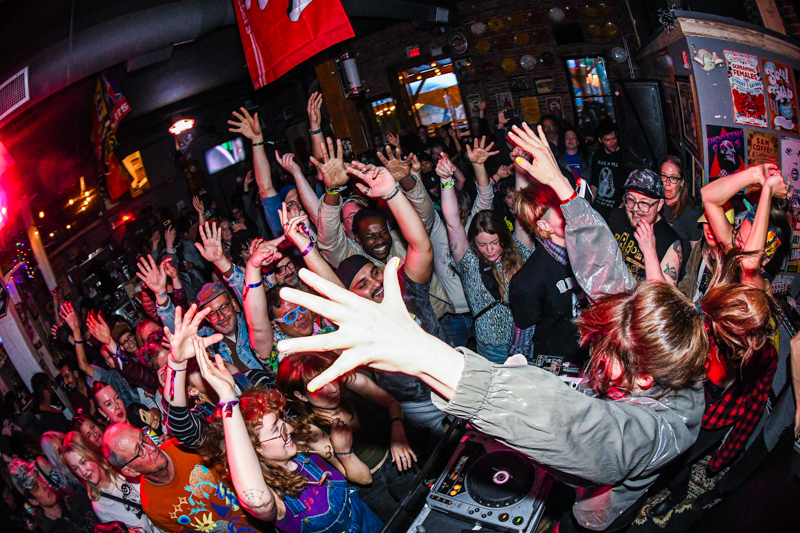
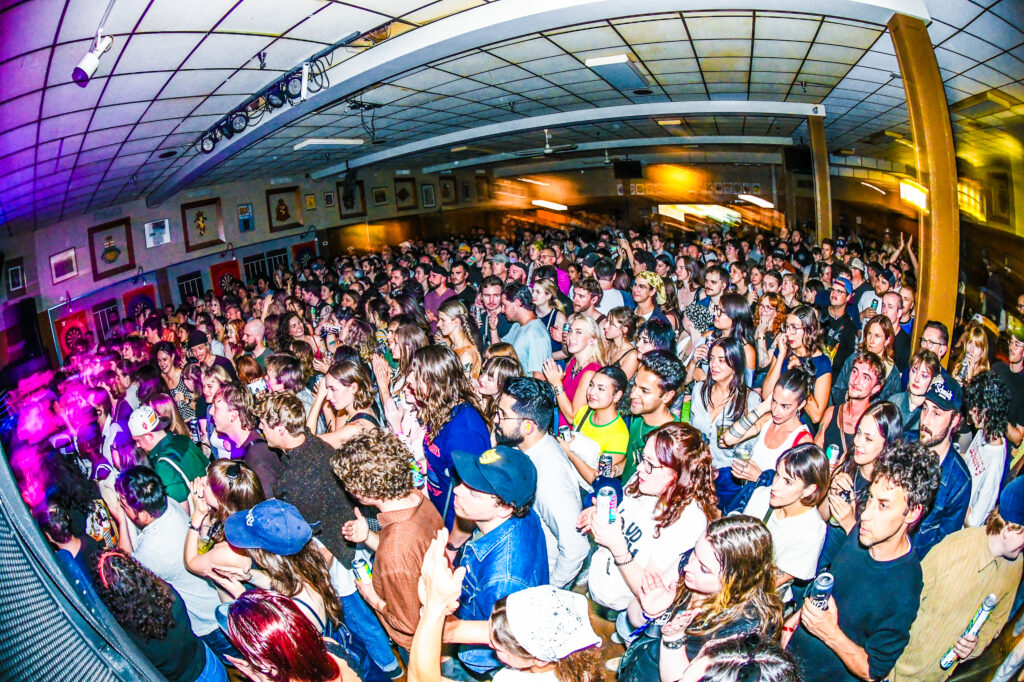
Even as Sled Island has grown musically and internationally, it has not outgrown its local scale. Shows take place in familiar rooms like The Palomino, Dickens, the Ship & Anchor, and the Legion, keeping audiences close to the stage and to each other.
“We’re big enough that there are a lot of different options for people to enjoy, but we’re also still at human scale,” Salvi says.
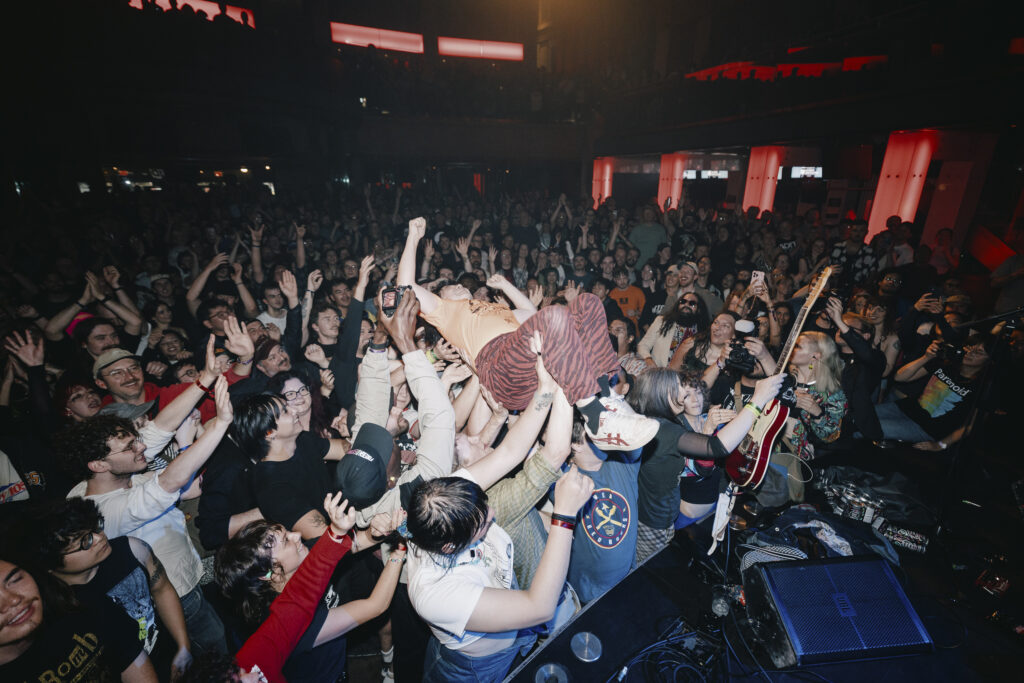
That shows up in the way people move through the week. By day two, Salvi says, attendees start running into the same faces at different venues. Even if they do not know each other, those repeated encounters create a sense of connection.
Gregor says that sense of community is one of the things he hopes first-time attendees notice about Calgary.
“A lot of artists come here, and they’re like, ‘Wow, we had no idea Calgary was like this.’” Gregor says.
While festival costs continue to rise, Salvi says keeping passes affordable is still a priority.
“Affordability has always been very important to us,” Salvi says. “That’s really a primary concern because it’s part of what keeps the festival accessible.”
There have also always been free events at Sled Island to help people get a sense of the festival without committing to a pass right away.
“The Ship & Anchor is always free. The main floor of the Palomino is free, which is great for people who just want to see what’s up, and hopefully they will want to experience more shows,” says Gregor.
As Sled Island nears two decades, Salvi says the audience is still anchored by longtime supporters, with about 20 per cent attending for more than a decade and 11 per cent coming since the beginning. But new faces keep arriving, too.
For first-timers, Ansari’s advice is simple.
“Get out of your comfort zone,” he says. “You’ll discover things that are wonderful.”
Sled Island is scheduled for June 17 to 21. Check the schedule over at sledisland.com.