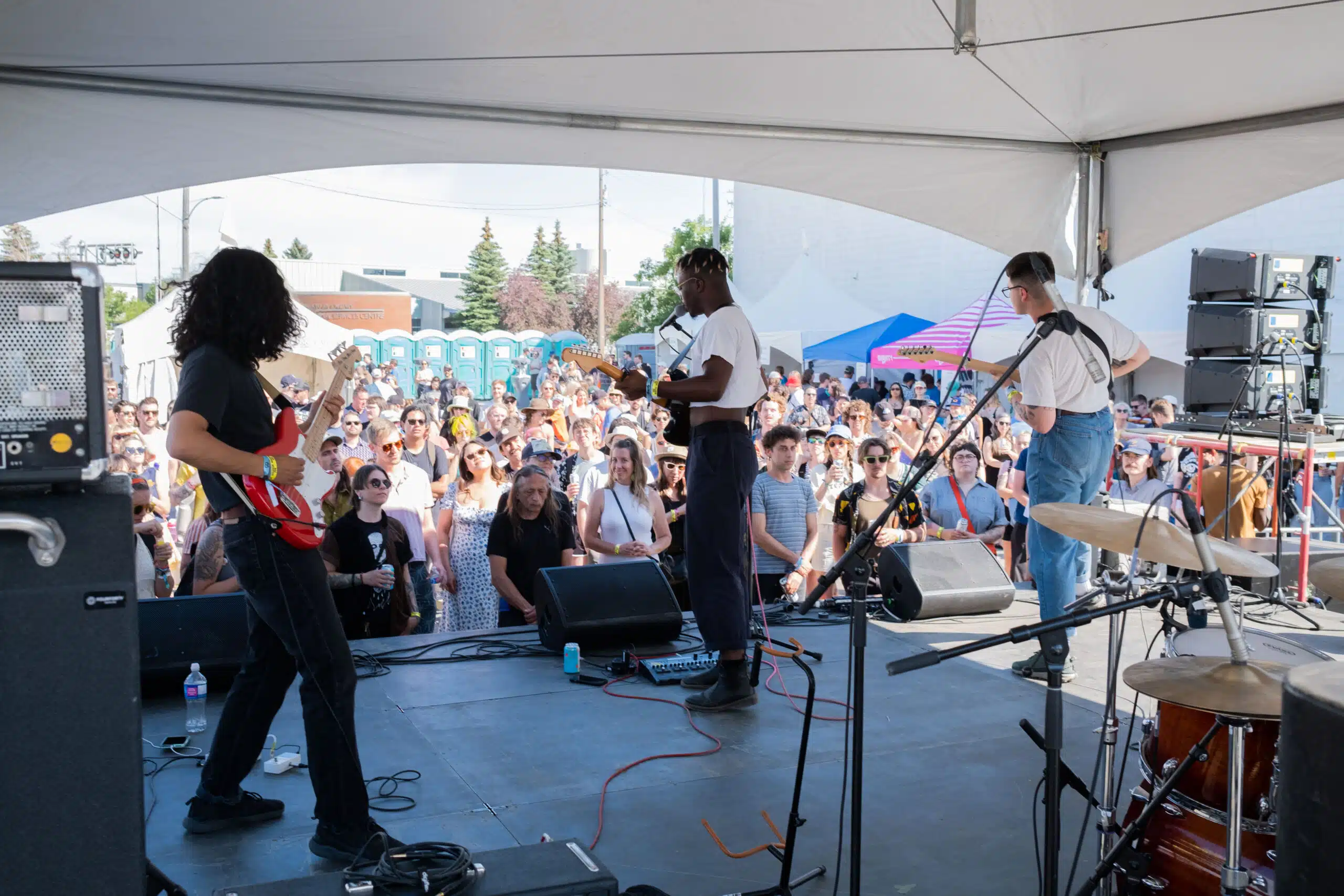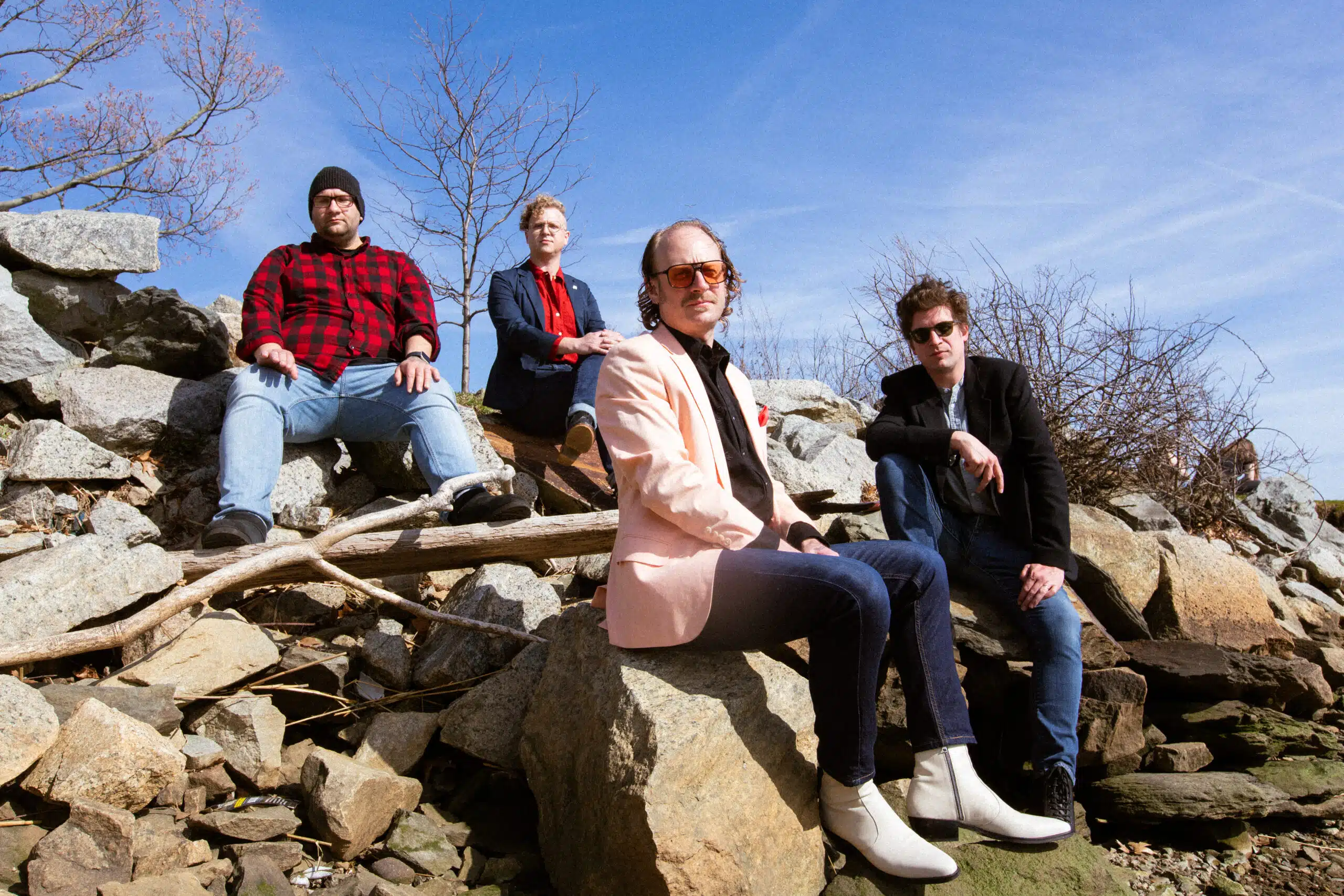
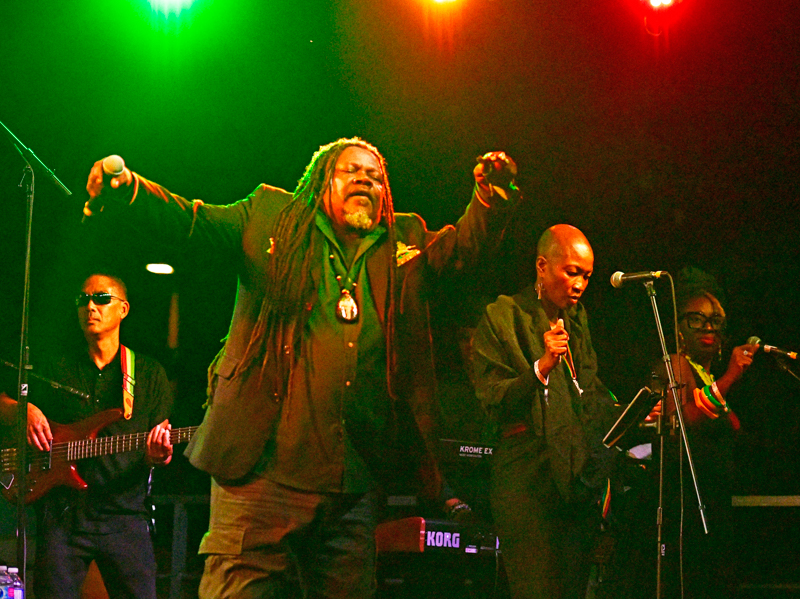
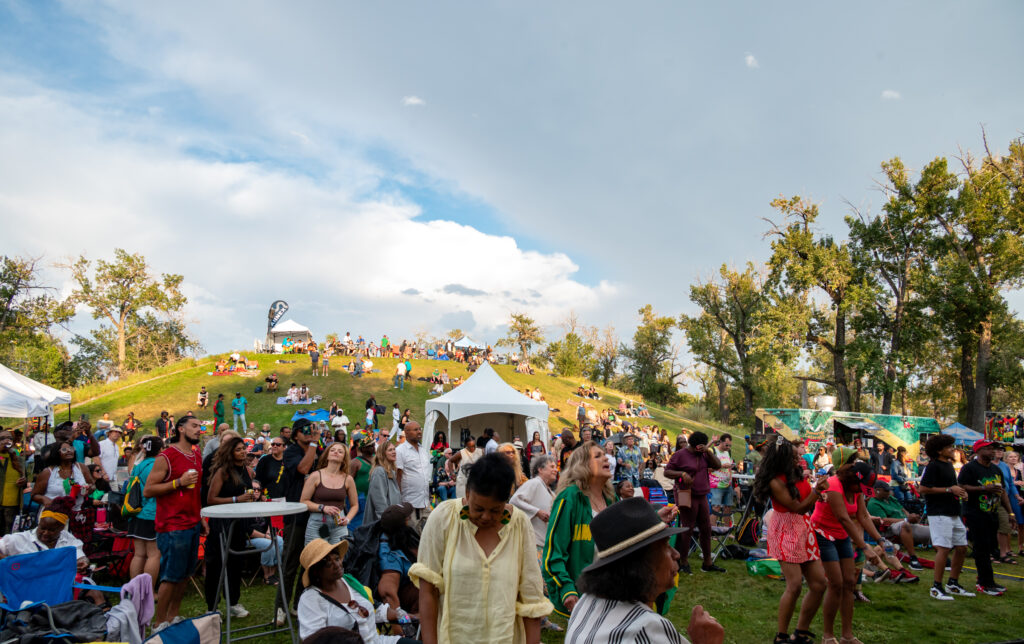
Every summer, the city’s parks and streets transform into community destinations bursting with vendors, entertainment and food as more than 100 festivals capture the attention of Calgarians.
And that number might be a modest estimate, says Calgary Arts Development president and CEO Patti Pon, who believes Calgary has earned its reputation as one of Canada’s most active festival cities.
“We know Calgarians enjoy taking part in festivals. They like the atmosphere. It’s a chance to come together,” Pon says, adding that a recent Citizen Engagement Report reflected that 74 per cent of Calgarians believe the city has a strong and vibrant festival scene.
“Local community festivals are one of the primary ways people take part in the arts. They rank above live theatre, musical theatre and art galleries. We know festivals are a powerful way to attract people to the arts.”
Pon says Calgarians should be proud of the quality of festivals the city offers.
“It’s important that we promote local as much as we can because the strength of these festivals that we support is incredible, and Calgarians should be proud of that.”
BEHIND THE SCENES
For audiences, festivals often appear effortless, but behind the fanfare, the music, the food and the fun, many organizers juggle increasingly overwhelming financial demands.
“People see the finished product of a festival,” says Calgary ReggaeFest organizer Leo Cripps.
“What they don’t see are all the stressful moments to present the event. The burnout factor, the frustration, the ‘Why do we still keep doing this?’ moments.”
That dichotomy between public celebration and private struggle increasingly defines Calgary’s festival ecosystem, says Pon, who acknowledges the precarious financial burden on the city’s festival community.
“Arts organizations don’t get any special discounts because they’re an arts organization. Rent is rent. Utilities are utilities. Groceries are groceries. The cost of living is the cost of living,” Pon says. “When those costs go up for organizations already working on very thin margins, things get tighter. Stretching that dollar further becomes more and more challenging.”

PRESSURE AND PAIN
While attendance remains strong and Calgary’s appetite for cultural events continues to grow, many organizers say rising costs, infrastructure limitations and uncertain funding have made survival more complicated than ever.
For Calgary ReggaeFest, years of mounting strain and financial pressures turned what was supposed to be a brief pause into a seven-year hiatus.
“We were not willing to operate in the negative,” Cripps says, adding the festival’s return in 2025 wasn’t guaranteed.
Organizers initially hoped another group might step in to carry the torch. Instead, they kept hearing the same question from the community: When is ReggaeFest coming back?
“We really didn’t realize the void that was left on Calgary’s festival landscape without ReggaeFest,” Cripps says, a reminder that cultural festivals often fill roles larger than just entertainment.
“Calgary is a destination city for performers, and scoring A-list reggae acts comes with a price,” Cripps says, adding talent is only one piece of the financial equation.
“There are no outdoor venues in the city with permanent infrastructure, so for every event, everything has to be brought in,” he says.
That means organizers are paying for stages, lighting and sound systems from scratch each time.
“The smallest stage, alone, will cost upwards of $10,000,” Cripps says.
GRANTS, GRANTS, GRANTS
ReggaeFest, like many independent events, relies heavily on grants.
Ticket sales often fail to cover production costs, while vendor revenue contributes only a fraction of what’s needed.
“To keep this event affordable, we have to keep tickets at a reasonable cost,” Cripps says, adding that without grants and subsidies, the event wouldn’t happen.
Dependence on public funding creates its own uncertainty as competition for grants intensifies across an increasing number of events.
“I think we are oversaturated with festivals. Grant funding can only go so far,” Cripps says.
Pon says that Calgary Arts Development receives more applications than it can fund.
“On average, our grant success rate is about 33 per cent, meaning about a third of applications receive funding,” Pon says.
“We’re one of the most successful granting organizations in the country, and even then, demand far exceeds available support.”
PIVOT AND PERSEVERE
Despite those challenges, many festivals are adapting rather than disappearing, says Pon.
“Festivals are constantly reinventing themselves, ensuring they resonate with the community and finding ways to create more access,” she says. “Artists are incredibly adaptive. I don’t know many people who are better at stretching a dollar than artists and creatives.”
For ReggaeFest, survival meant rethinking what success looks like, and organizers shifted their focus to creating an experience that audiences return for regardless of the lineup.
“We now focus on presenting a festival where folks will come for the event, not who is appearing,” Cripps adds.
Asked whether starting ReggaeFest from scratch in today’s climate would be possible, Cripps doesn’t hold back: “The simple answer is no.”
Calgary Reggae Fest runs August 28 and 29 on St. Patrick’s Island. Learn more at reggaefest.ca.