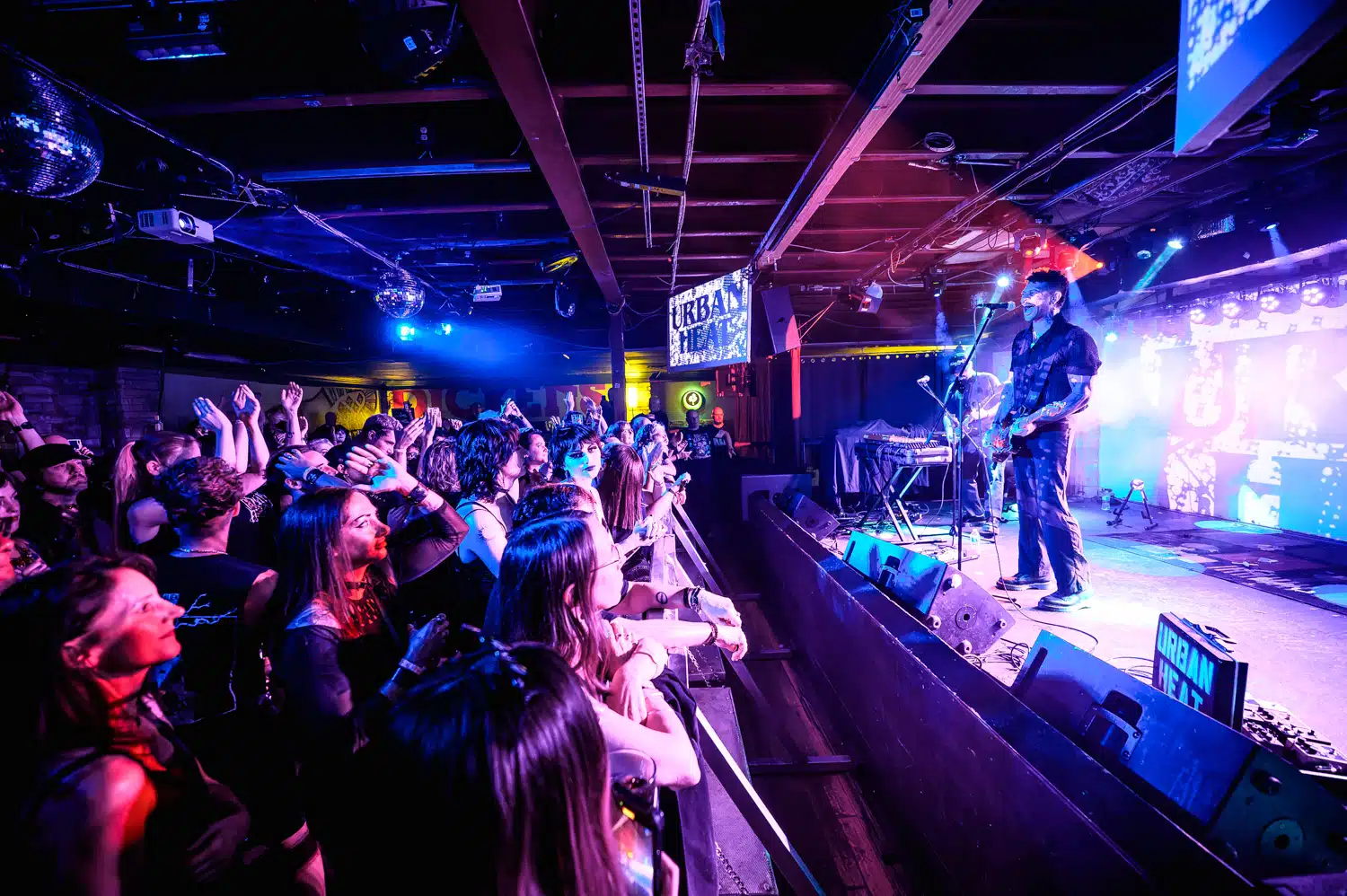
There’s no ticket scan, no barricade, no stage lights shining to warm up the crowd. Just a dropped pin, a half-legible flyer, and groups of people hauling equipment.
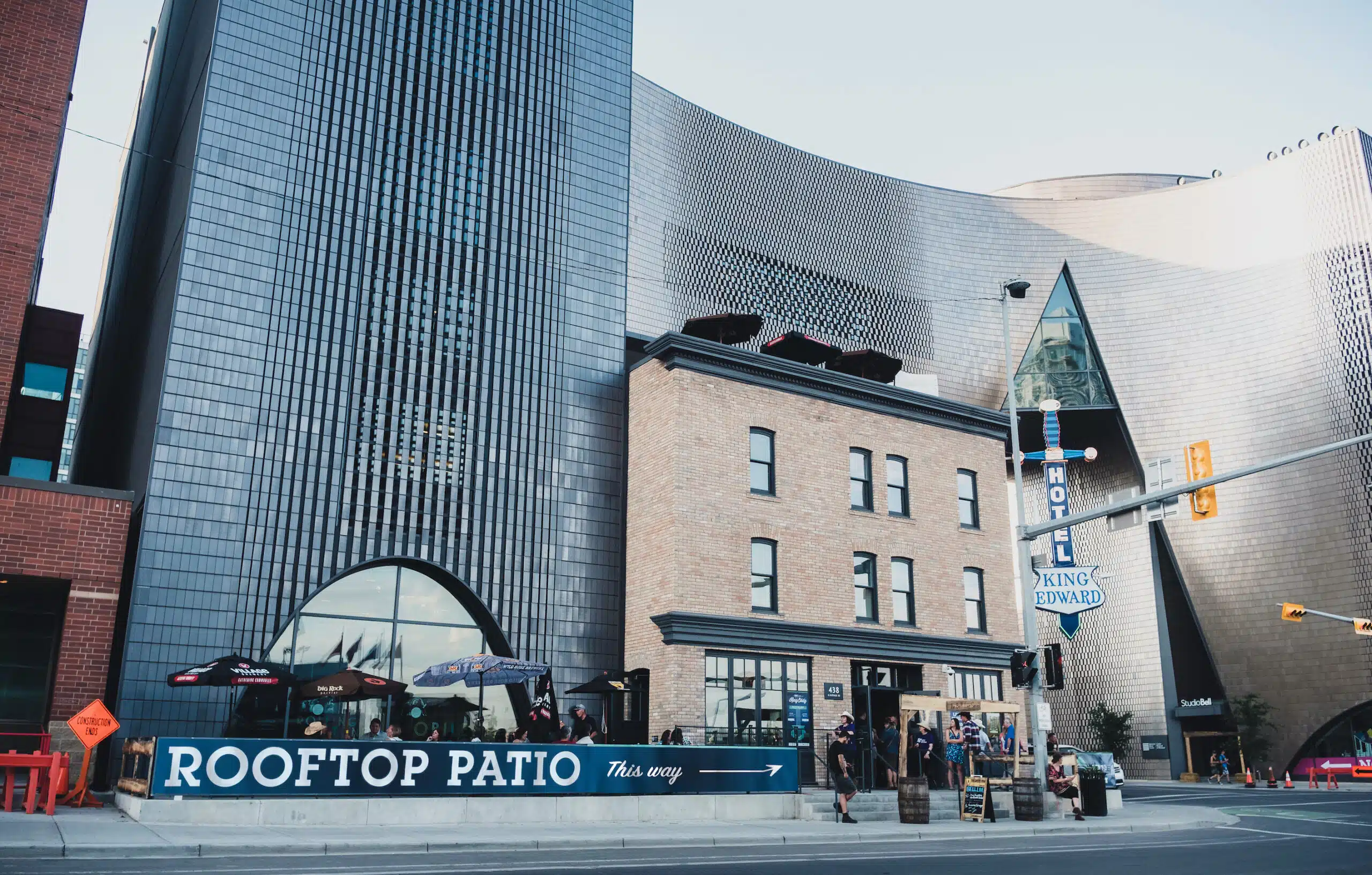
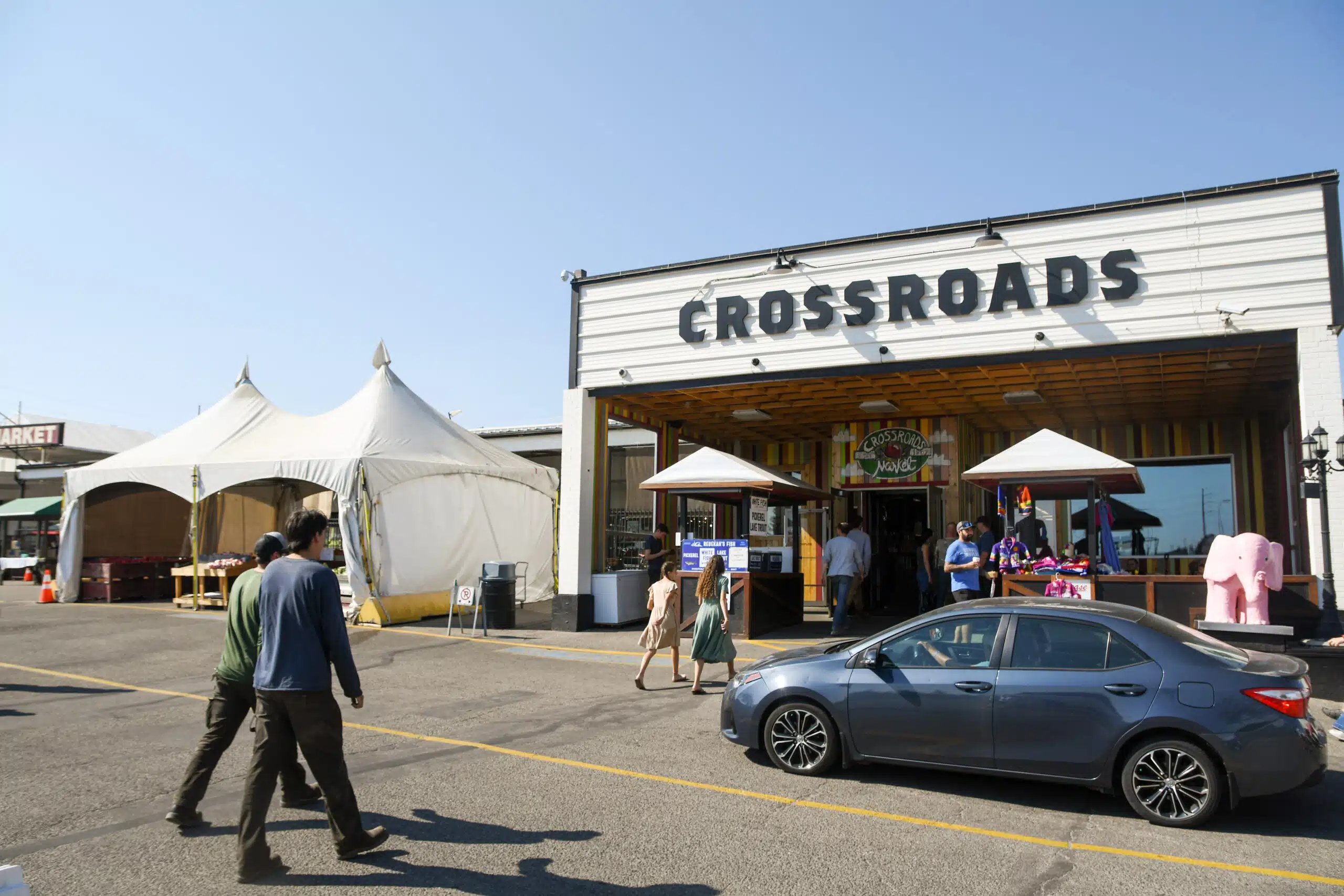
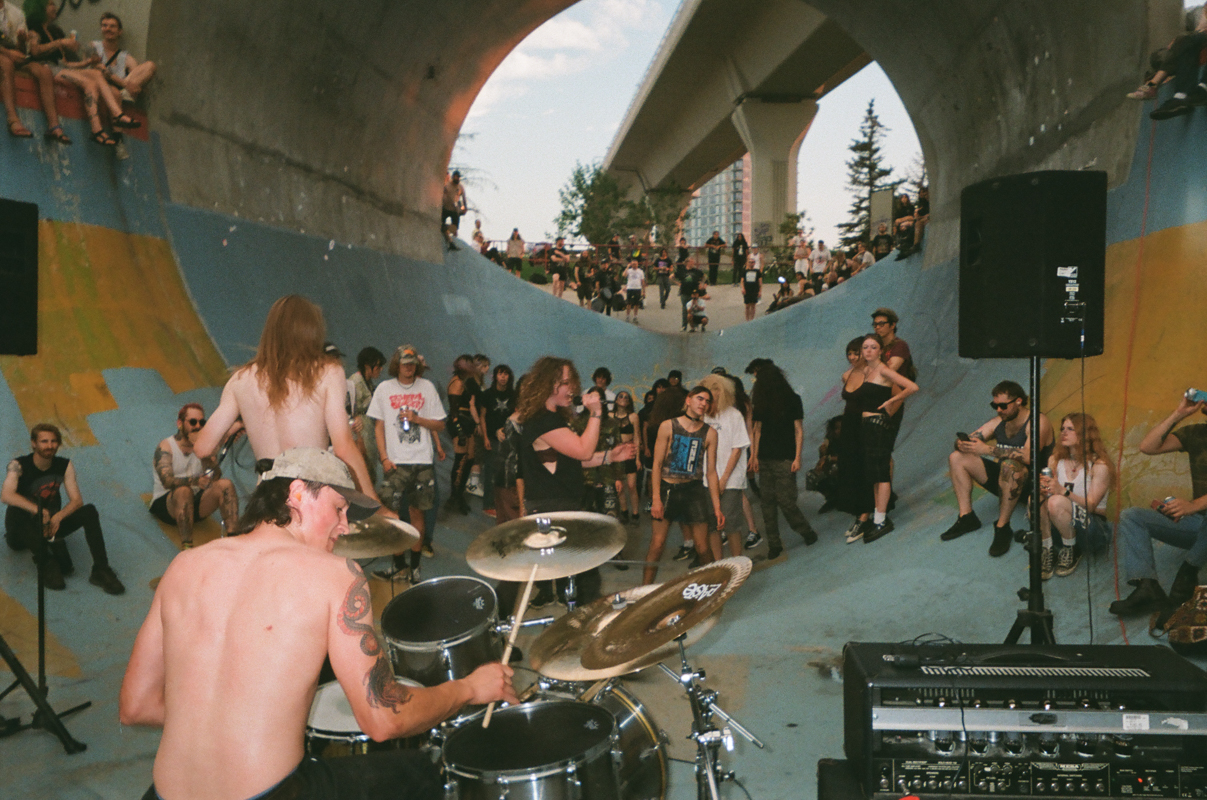
Once the weather warms up, Calgary’s DIY punk scene migrates from indoor venues to backyards, alleys, skate parks, and underpasses. These spaces feel temporary, community-built, and just a little bit chaotic. Finding them is a matter of spotting a scrappy-looking poster in Kensington or Inglewood, stumbling across a mysterious Instagram advising you to “dm for address,” or hearing about it from your friends with patched vests.
There’s no “official” rulebook for these shows. But after attending a few, it becomes clear that there is an unspoken code that keeps the chaos focused.
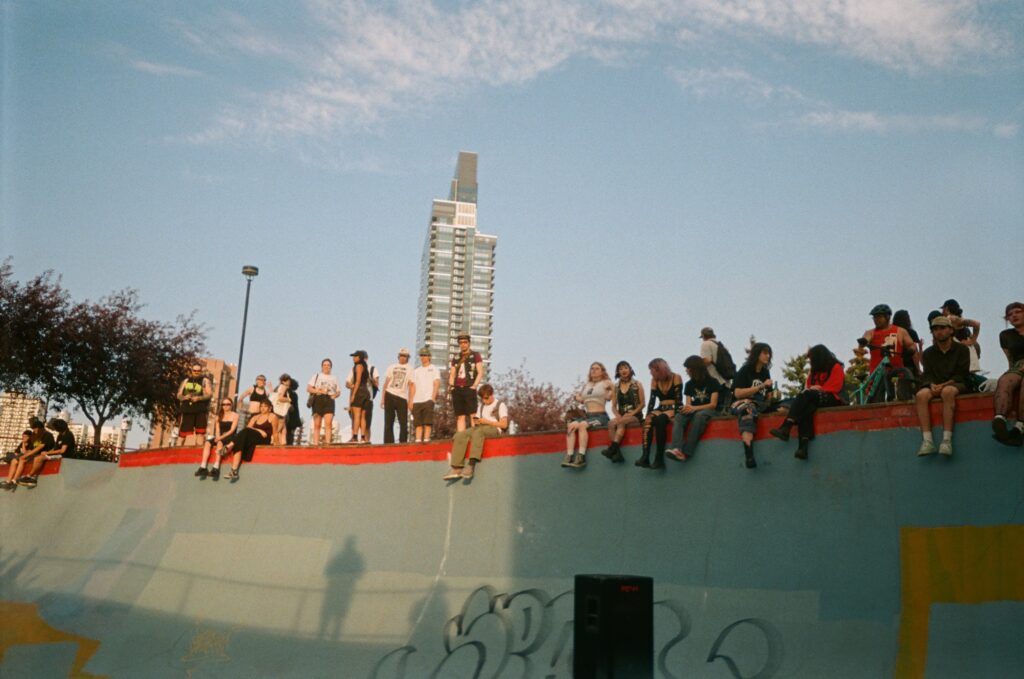
Respect the Space
Whether it’s a backyard, underpass, or a borrowed lot, these spaces all belong to someone — especially if that someone is Mother Nature. That means being aware of where you are and what you’re leaving behind.
Respecting these “venues” comes down to not trashing the place, not damaging property, and recognizing that once the music stops, the space still exists. The goal is to leave the place as you found it, and ensure that shows can be played there again.
“Venues in our city shouldn’t have to worry about vandalism or damage after hosting a bunch of patrons for what’s supposed to be a fun evening,” says Alex Bennett, a member of local punk band Liquor Store.
Bring Cash, Buy If You Can
DIY doesn’t mean free; it means self-sustained. Without sponsors or formal financial backing, the cost of putting on a show falls on the people organizing it and the bands playing. These shows typically charge a cover or ask for a donation, and the merch tables are a crucial part of keeping things afloat. Throwing a few dollars into a jar, picking up a patch, or purchasing a shirt can add up quickly for artists and promoters. These shows rely on people actively choosing to support them.
Bennett believes just showing up is more than enough support, but money doesn’t hurt. “It’s not a bad idea if you have the extra scratch,” he says. “A great way to show support or love to a local artist is a compliment, too.”
Moshpit =/= Free-for-All
A moshpit can seem like an intimidating whirlwind of fists, but there’s a rhythm to it, and more importantly, an understanding. People look out for each other; if someone falls, they’re picked up, and if someone leaves, they’re given space.
The key to surviving and thriving in the pit is awareness. Every slam dancer, seasoned or fresh, is responsible for both themselves and everyone around them. The moment that awareness disappears, things can take a turn, and not a good one.
What keeps these moshpits fun and inclusive isn’t control, it’s a shared sense of boundaries. “Looking out for one another and showing etiquette are huge factors that influence whether someone may want to come out to another gig,” says Bennet. “To keep the scene vibrant, we all have to respect each other and have a cool time.”
Watch the Whole Show
DIY shows are built around highlighting multiple local bands, rather than a single headliner. Showing up early and sticking around for every set is an important way to support these musicians and encourage them to play again.
The shows unfold gradually, and each set builds on the last, creating an energy for the show. When you show up halfway through or only for one band, you miss out on the progression and the vibe. Hell, you might even be missing your new favourite band. Every musician is equal at these shows, no single headliner, so being there from beginning to end makes all the difference.
All Are Welcome (Except Jerks)
At these shows, there’s no clear indicator for who’s playing, who’s organizing, and who’s just there for a good time. The band on stage might be running the door at the next show, and the people selling merch might be hosting it. People in the scene take turns with these things, all wearing multiple hats.
These shows rely on everyone, whether they’re setting up the gear, reposting the flyers, or just showing up to show support; it all adds up. The scene doesn’t exist without the flexibility of the people in it; it’s less about roles and more about showing up ready to help. And not being a dick about it.