
Returning this spring with a five-day lineup of 42 films, the Calgary Black Film Festival (CBFF) reflects the depth, diversity, and evolving narratives of Black communities across Canada and around the world.
The hybrid festival will feature in-person screenings at the Globe Cinema, alongside panels, workshops and online programming accessible nationwide.
For Jean-Francois Mean, senior film programmer, this year’s curation was shaped by a deliberate effort to reflect the complexity of Black life beyond a single narrative. “We wanted to build a program that reflects the richness and diversity that exists across African communities and the broader Black diaspora,” Mean said. “There are shared realities of identity, belonging, movement, but also a wide range of perspectives.”
Rather than centring stories solely around trauma, this year’s selections lean into everyday experiences of family, relationships and personal growth.
One standout is the opening feature Pasa Faho, a deeply personal story exploring themes of fatherhood, responsibility and reconnection. “It’s a story about identity and what we pass on,” Mean said. “There’s a stereotype around absent fathers in Black communities, and this challenges that by showing a different kind of richness. A cultural wealth, not just financial.”
Across the program, themes of resilience and reinvention emerge, often rooted in stories of migration and self-discovery.
More than films: building a shared experience
While the films are central, CBFF has grown into something more experiential for Calgary audiences.
Tacita Bastien, festival coordinator, says the festival’s opening night has become a key moment in the city’s cultural calendar. “It’s not just about the film, it’s about opening the room for people to connect,” Bastien said. “We’re seeing people return year after year, and that sense of community is really growing.”
This year’s programming reflects a shift toward stories grounded in everyday life. “We’re looking at stories that are familiar to people’s lived experiences. Families, relationships, everyday moments, not just narratives rooted in trauma,” she said.
Beyond screenings, the festival’s Black Market series offers panels and workshops designed to support emerging creatives. “We’re bringing in professionals working in Calgary to share their expertise,” Bastien said. “This year, we’re focusing on practical tools like headshots and grant writing.” For attendees, that energy is felt beyond the screen.
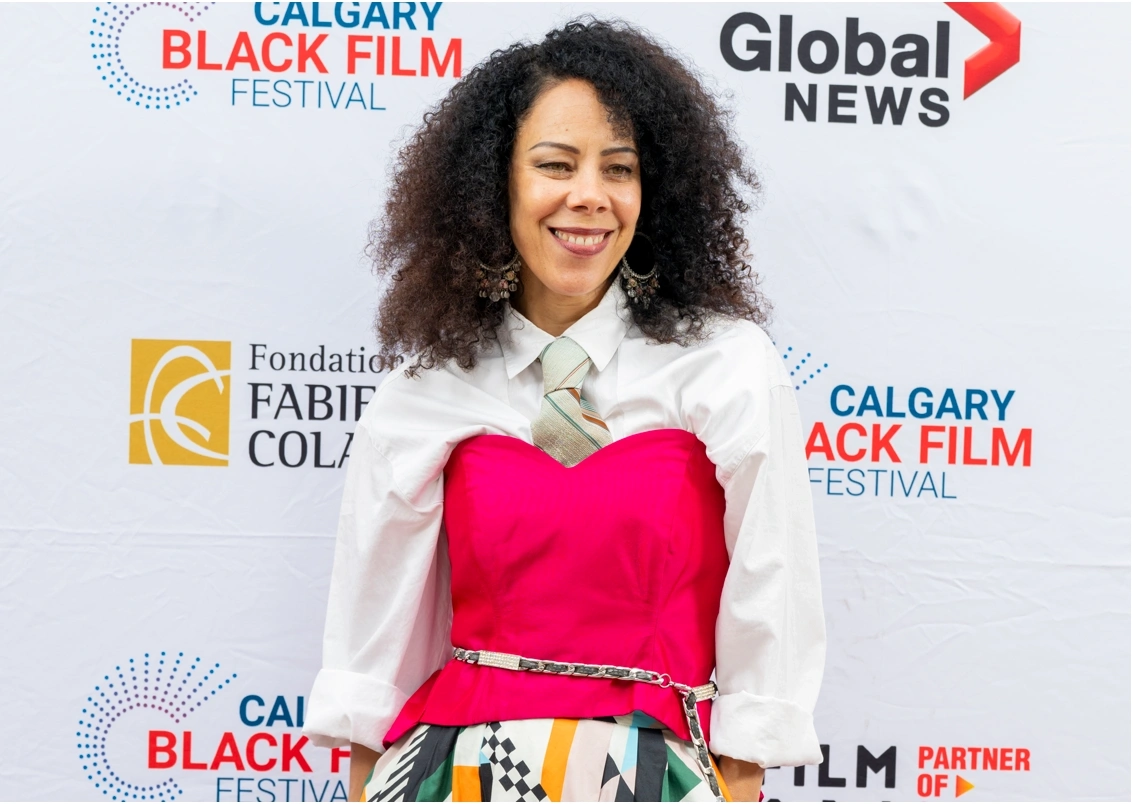
“The red carpet had real festival energy. The room was full, the atmosphere was exciting, and the film I saw at last year’s opening was amazing,” said Zarah Lawal, a Calgary-based multi-hyphenate creative and arts administrator who founded Afrocare Support Network.
Expanding opportunity and access
For Andrea Este, festival head coordinator at CBFF, the festival’s impact extends well beyond the event itself. Having first lived in Calgary in 2016, Este says she’s seen a noticeable shift in the city’s cultural landscape.
“When I lived here, I barely saw any people of colour. Coming back through the festival, it’s been a pleasant surprise to see how much the city has grown and how audiences have embraced it,” she said.
That growth is reflected in both attendance and participation. “We had humble beginnings, but year after year, communities and organizations have shared space with us and helped the festival expand.”
A major focus this year is the evolution of the Being Black in Canada program, which now includes participants aged 30 and older.
“We realized creativity doesn’t have an age limit,” Este said. “People can start later and still deserve access to these opportunities.” For emerging creatives, that shift is meaningful. “As an aspiring filmmaker, it’s really encouraging to hear that the age limit has been raised. It gives people like me hope,” said Lawal.
The festival also continues to address gaps in access to industry knowledge. “There’s still a need to provide Black creators with information. Whether it’s funding, grant writing or understanding what production houses are looking for,” Este said. “That lack of exposure can be a barrier.”
Through workshops, mentorship and networking opportunities, CBFF aims to bridge that gap while continuing to build connections across the city. “There’s still work to do,” Este said. “But we’re seeing a real desire from people in Calgary to be involved on all levels with a desire to support the festival’s growth.”
The Calgary Black Film Festival runs from May 22 to 26. Tickets and full programming are available at calgaryblackfilm.com.